1. Project Overview: Taking Waste Management to the High Seas
When Innovus Machine Builders undertook its first overseas project for a ship vessel, it was more than a machine supply. It was an opportunity to solve a unique engineering challenge in one of the world’s most demanding operating environments.
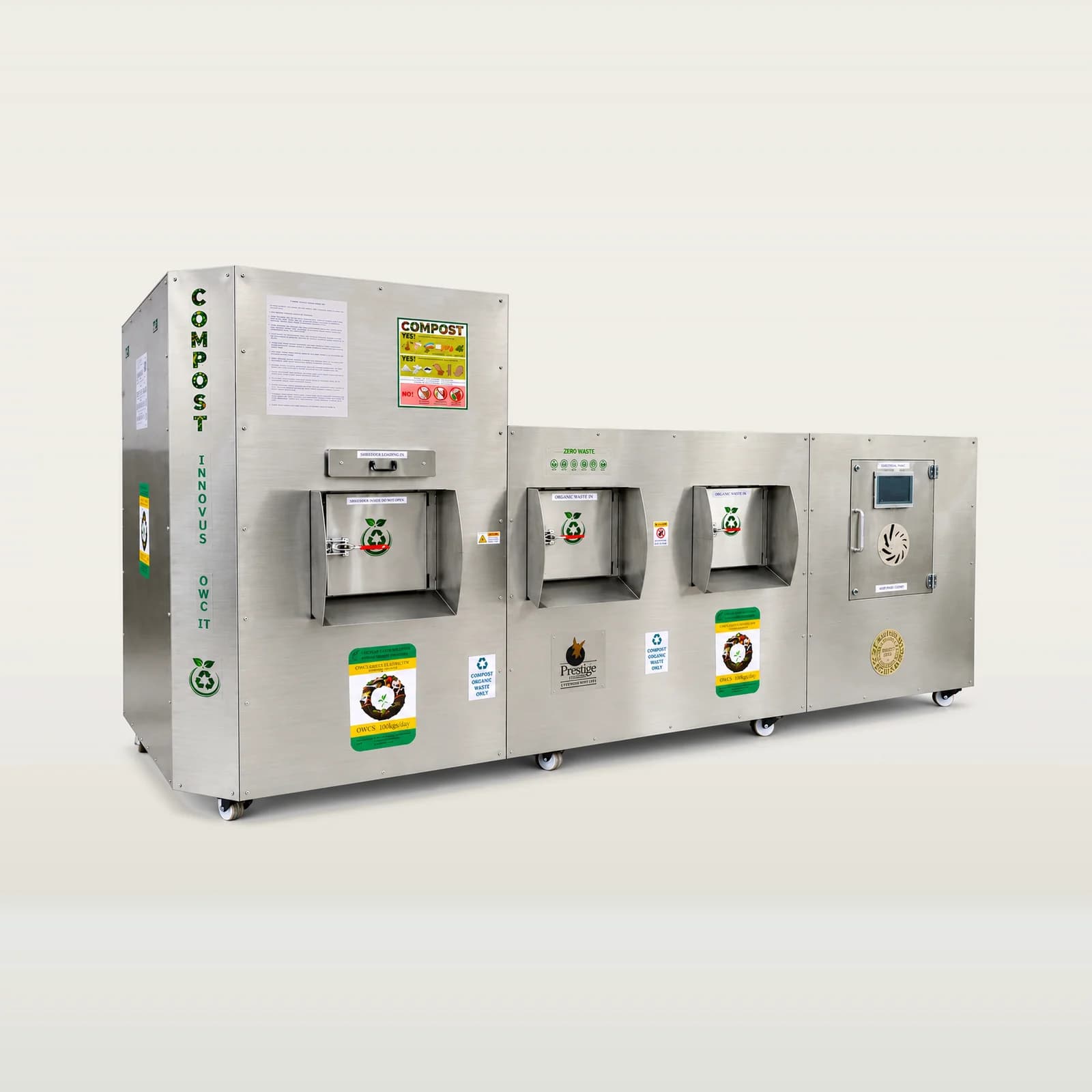
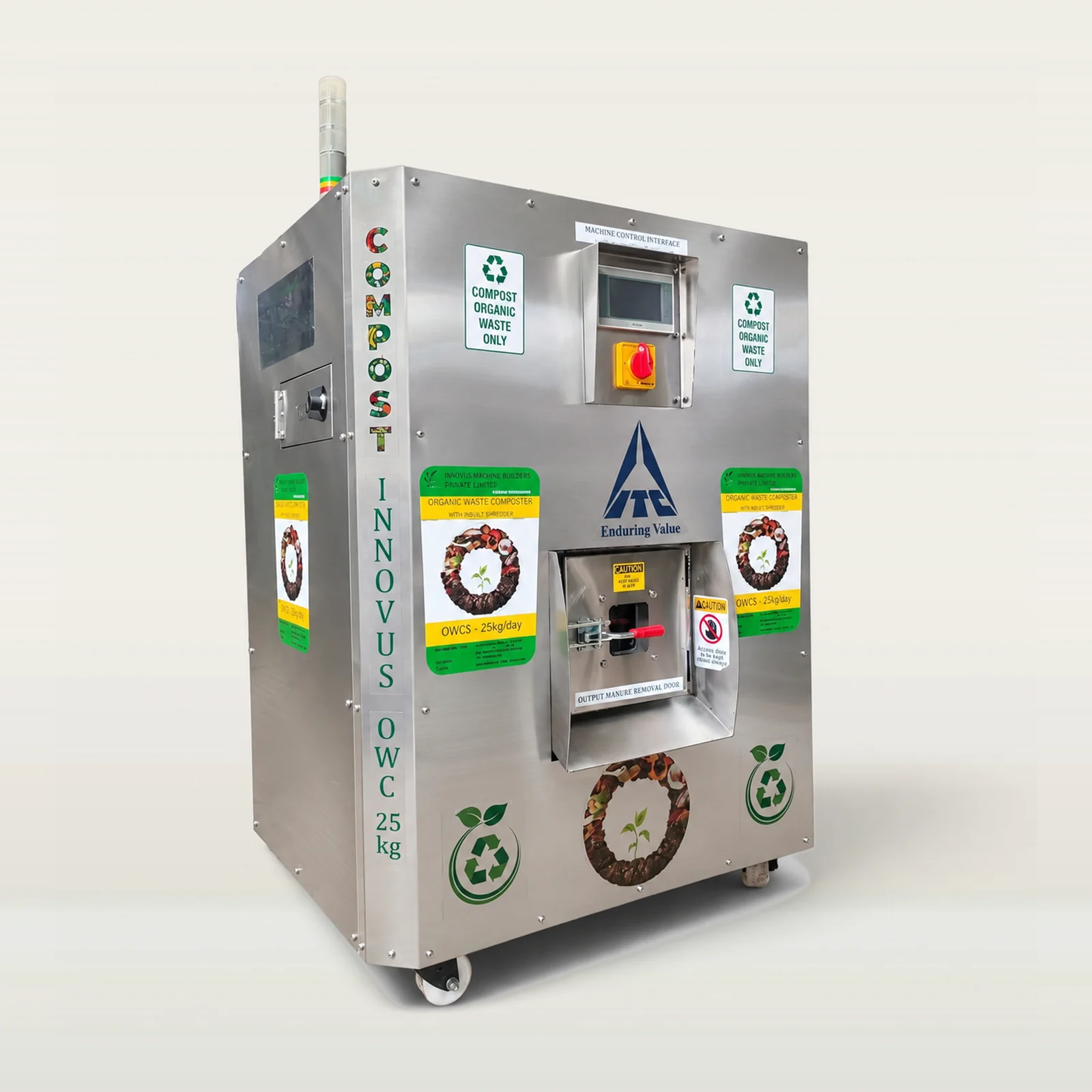
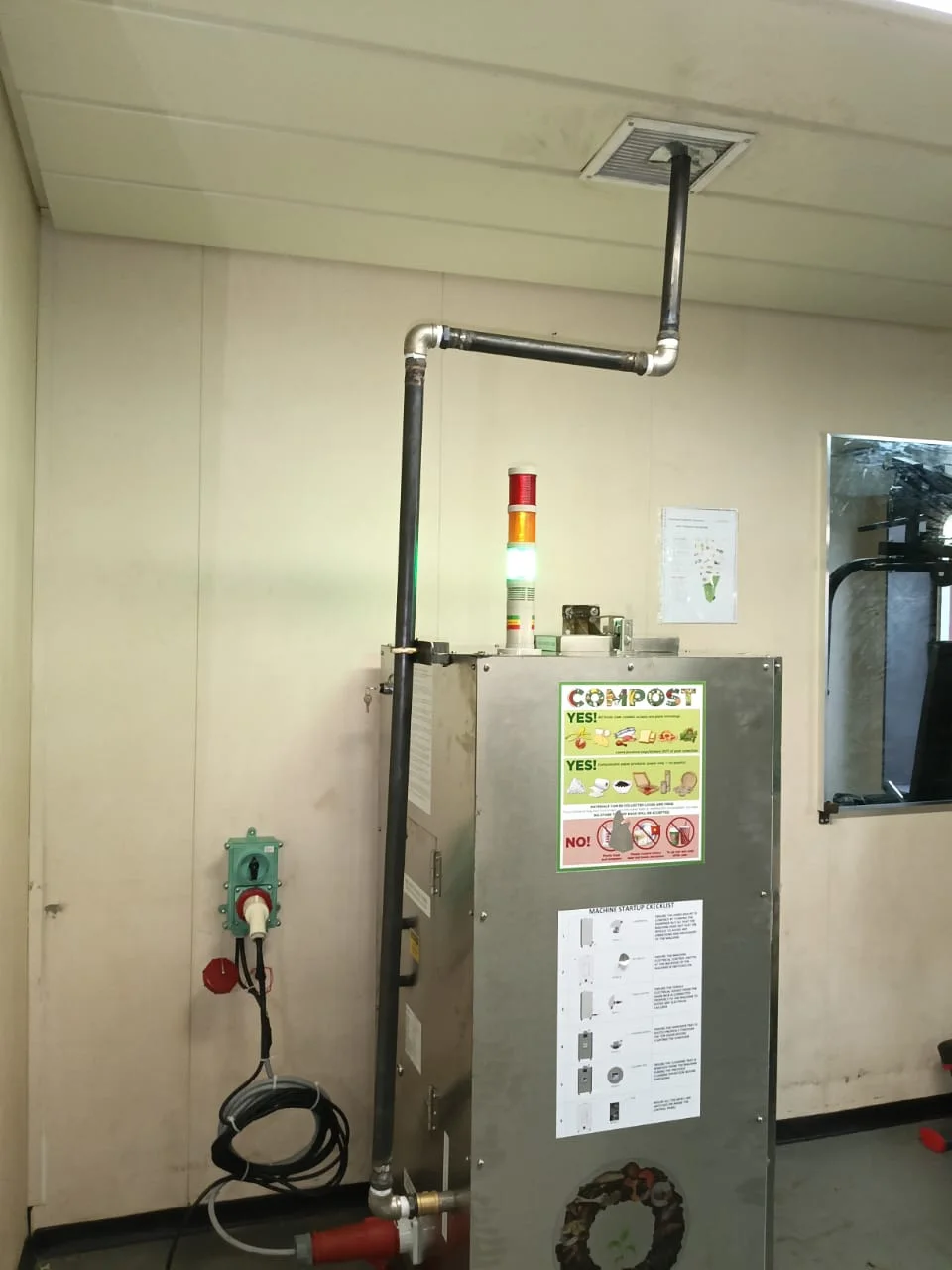
The project was undertaken for Eastern Quince, a globally recognised ship management company operating a large fleet of vessels. The objective was to develop a compact, reliable organic waste composter capable of processing food waste directly onboard a ship.
With increasing environmental requirements governing waste disposal at sea, ships must carefully manage waste and comply with applicable maritime regulations. Onboard waste-treatment solutions can help vessels manage organic waste more effectively rather than relying solely on bringing waste ashore for collection.
However, installing a conventional organic waste composter on a ship was not practical. Space was limited, weight restrictions were stringent, electrical requirements were specialised, and the machine needed to suit a demanding marine environment.
Innovus was challenged to engineer a solution that met these requirements without compromising the machine’s essential functionality.
2. The Challenge: Engineering Within Extreme Constraints
Ultra-Compact Design
The entire machine had to fit within a designated onboard room, with maximum overall dimensions of just 2 ft × 2 ft × 2 ft. Every component had to be arranged carefully to maximise usable space while allowing the machine to perform its intended functions.
Strict Weight Limitation
The machine’s total weight had to remain below 100 kg. This required careful material selection, structural optimisation, and a detailed evaluation of motors, gearboxes, shafts, and supporting components.
Marine-Grade Material Selection
The project specifications called for SS 316 stainless steel to address corrosion risks associated with a marine environment. Salt-laden air and moisture make material selection critical, while weight, fabrication complexity, and cost also had to be considered.
Specialised Electrical Requirements
A ship’s electrical infrastructure differs from a typical land-based installation. The machine had to meet vessel-specific requirements for electrical frequency, motors, protection devices, contactors, MCBs, wiring, and other components. Only compatible components could be considered.
Difficult Food Waste and Meat-Bone Processing
The vessel generated substantial quantities of meat waste, including tough residues and bones. The compact shredder needed to handle this demanding feed material despite restrictions on size, motor capacity, and available power.
3. The Innovus Solution: Custom Engineering from the Ground Up
Rather than adapting a conventional composter, Innovus approached the project as a specialised marine engineering assignment.
A Purpose-Built Compact Machine
The machine architecture was developed around the vessel’s dimensional and weight limits. The engineering team evaluated component layouts and selected suitably sized motors and gearboxes to meet the functional requirements within the available space.
Special-Purpose Shredder Blades
Processing tough meat waste and bone-containing residues in such a small machine required a different approach to shredding. Innovus designed special-purpose shredder blades tailored to the vessel’s application, aiming to improve processing capability within the machine’s physical and power constraints.
Specialised Compost Discharge Mechanism
The vessel also required a practical way to remove processed compost. Innovus engineered specialised internal pushing blades to assist with compost discharge. This project-specific modification avoided relying solely on a conventional discharge arrangement.
Marine-Specific Electrical Configuration
Motors, bearings, protection devices, contactors, wiring, and other electrical components had to be selected in accordance with the vessel’s specified requirements. Operating frequency and available power were key considerations, requiring a more rigorous selection process than a typical commercial installation.
Corrosion-Resistant Construction
The project specifications called for SS 316 stainless steel construction. Material selection and fabrication had to account for the corrosive marine environment while balancing weight, strength, manufacturing complexity, and cost. The final material configuration was governed by the vessel’s application requirements and the need for reliable onboard operation.
4. The Real Test: Coordinating Across Borders and Time Zones
The engineering challenge did not end when the machine was manufactured and shipped. Coordinating with the onboard team for commissioning, troubleshooting, and operational improvements proved equally demanding. Communication windows were limited, and resolving technical questions remotely required careful planning.
Once a suitable communication window was available, the vessel’s team provided operational feedback and requested specific modifications. The most significant requirements involved improving the shredding of tough meat waste and making compost removal more effective.
Innovus responded by developing the required blade modifications and arranging their shipment through a dealer in Mumbai. There was another major logistical constraint: the vessel visited India only once a year, making the timing of replacement components critical.
The team coordinated the blade shipment with the vessel’s availability to ensure the components reached the ship at the right time. This phase demonstrated the importance of responsive engineering, customer coordination, and practical problem-solving beyond the initial machine supply.
5. The Outcome: A Milestone for Innovus
The project marked an important milestone in Innovus’s journey from conventional commercial waste-management installations to specialised marine applications. It demonstrated the team’s ability to work through multiple engineering challenges simultaneously:
- Designing within an exceptionally small footprint.
- Working towards a strict sub-100 kg weight requirement.
- Accommodating vessel-specific electrical specifications.
- Developing specialised shredding blades for challenging food waste.
- Engineering a customised compost discharge mechanism.
- Coordinating modifications and component shipments around vessel schedules.
Most importantly, the project provided Innovus with valuable experience in understanding the requirements of shipboard waste-management systems. The lessons learned strengthened the company’s confidence in developing compact, application-specific machines for demanding environments.
6. Beyond One Vessel: Building a Marine Waste-Management Opportunity
For Innovus, this was not simply a one-time export order. It was a breakthrough into a new application segment. The experience gained created a stronger foundation for future shipboard waste-management solutions and ongoing engagement with the marine sector.
With a fleet of more than 90 vessels associated with the customer’s operations, the project opened up a significant opportunity for future expansion, subject to individual vessel requirements, technical approvals, and procurement decisions.
The project reinforced a key principle at Innovus: engineering solutions should be designed around the operating environment, not simply adapted from standard machines.
7. Our Engineering Philosophy
At Innovus Machine Builders, we believe challenging requirements create opportunities for better engineering. Whether a machine is installed in a residential community, a commercial facility, or a ship operating at sea, our approach remains the same: understand the customer’s actual requirements, engineer a practical solution, and continue improving it through real-world feedback.
“This shipboard composter project represents that philosophy in action — compact engineering, customised design, and determination to solve problems where conventional solutions fall short.”
Engineered for Challenges. Built for Real-World Performance.
We design and manufacture organic waste-management solutions tailored to the space, capacity, material, and operational requirements of our customers.